Roughly 80% Of Marine Plastic Results From Land-Based Activities
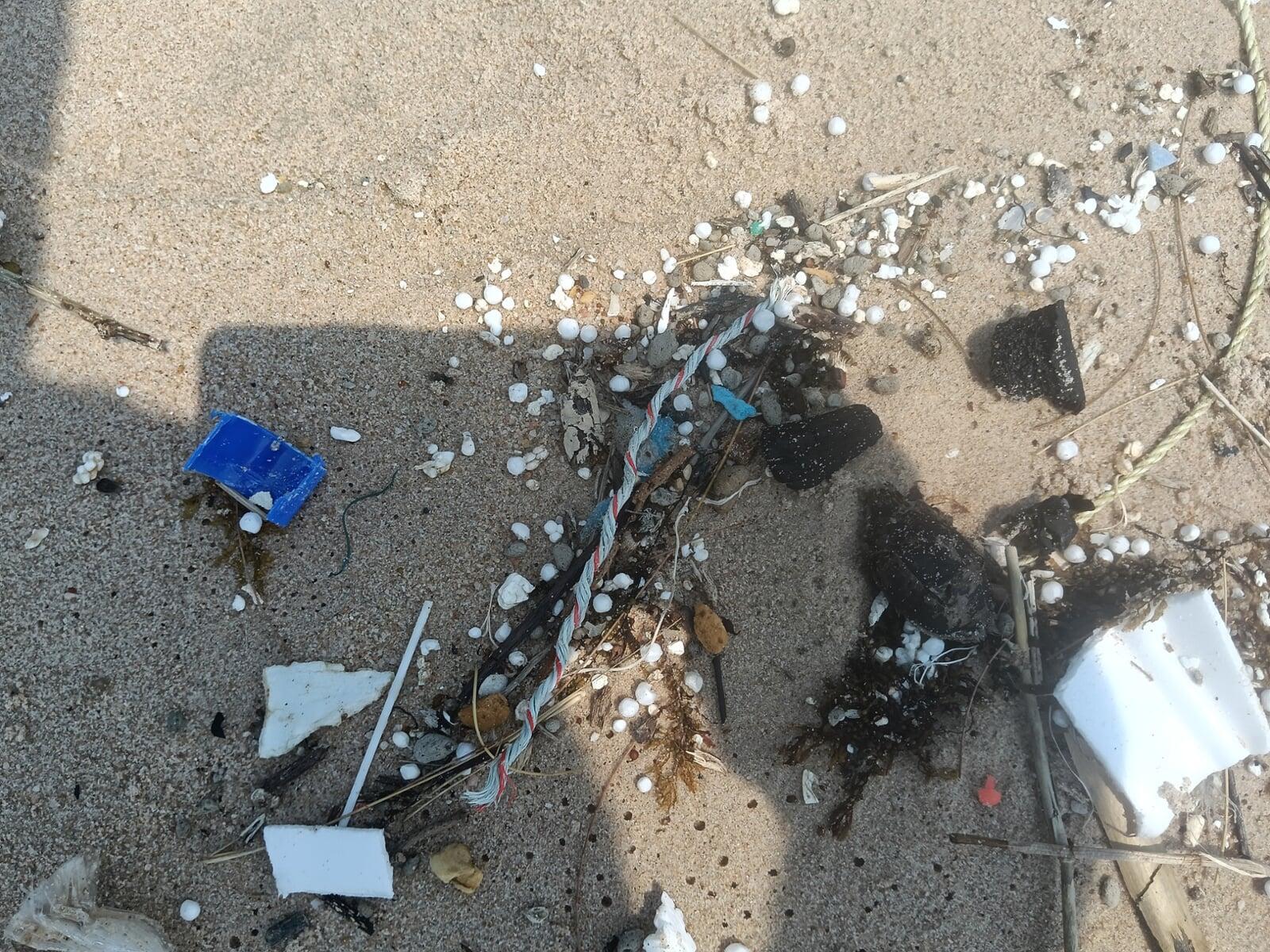
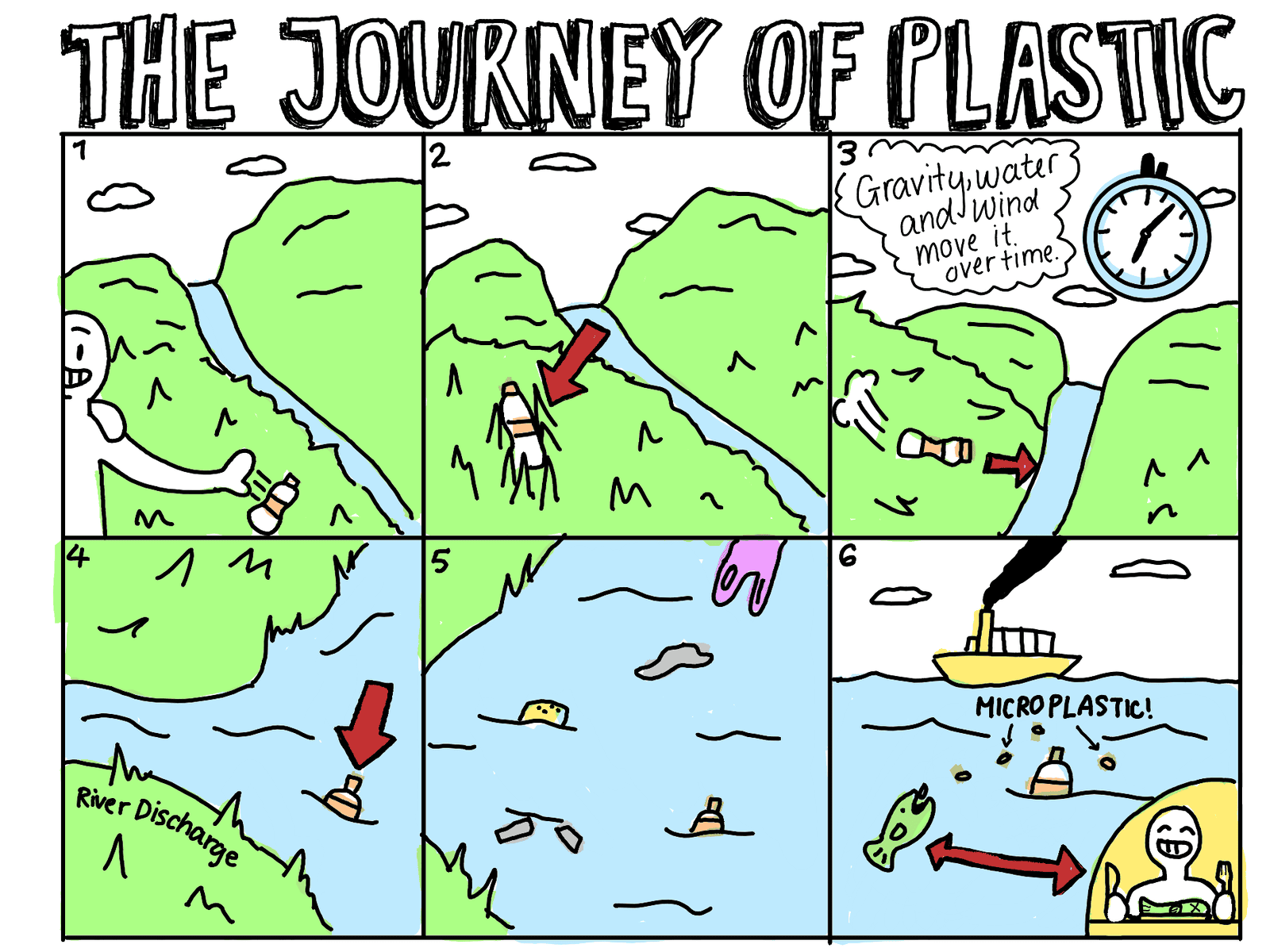
Out of all the tons of plastic in the ocean, 80% of it comes from the plastic we leave on the land.
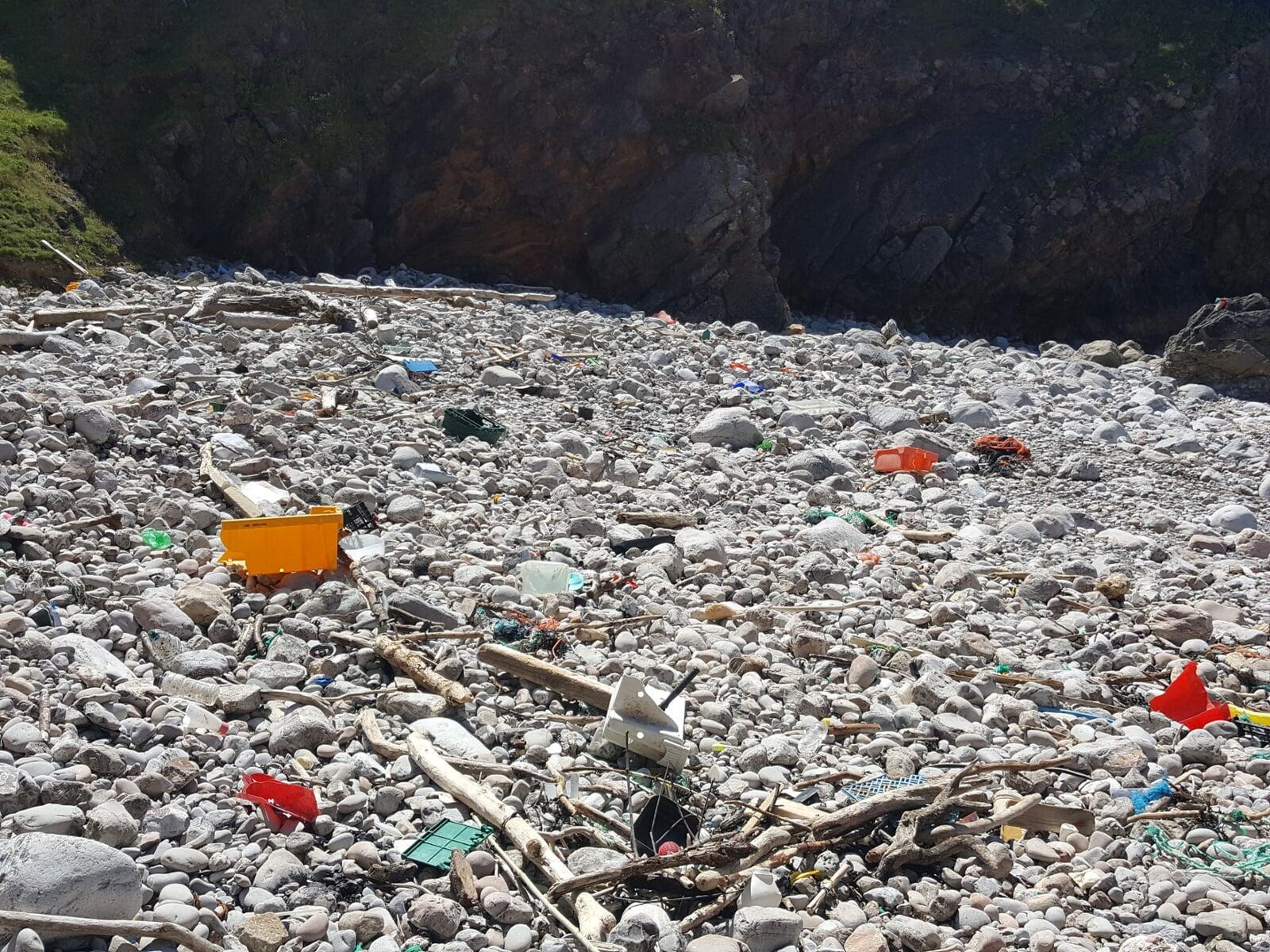
That is a shocking number, and it clearly illustrates the impact of humans' actions, even when far away from the water. This is because plastic doesn't just disappear - it can take as long as 600 years for one fishing line to "break down". And even then it isn't truly gone. It breaks down and down in the scorching sun and crashing waves of the beautiful landscapes we call our beaches, and becomes so small and so easily ingested by both humans and animals that it becomes part of the food chain.
Marine debris (plastic) has been documented to impact more than 700 species, from plankton, seabirds, and invertebrates to coastal vegetation, crustaceans, fish, and sea turtles.
The world is in crisis. In today's society, plastic is everywhere to be seen: evident in almost every part of the planet. The plastic that sits on the ocean floor takes so long to break down into microplastics that it can become part of the earth's geological record. And those microplastics will continue to be ingested by marine life, killing and killing and killing.
Why must mother nature suffer for the ignorance of human beings?
In order to stop the problem, we must first try to understand the causes. And one of those causes is fly-tipping.
Fly-Tipping And Its Effects On Our Environment
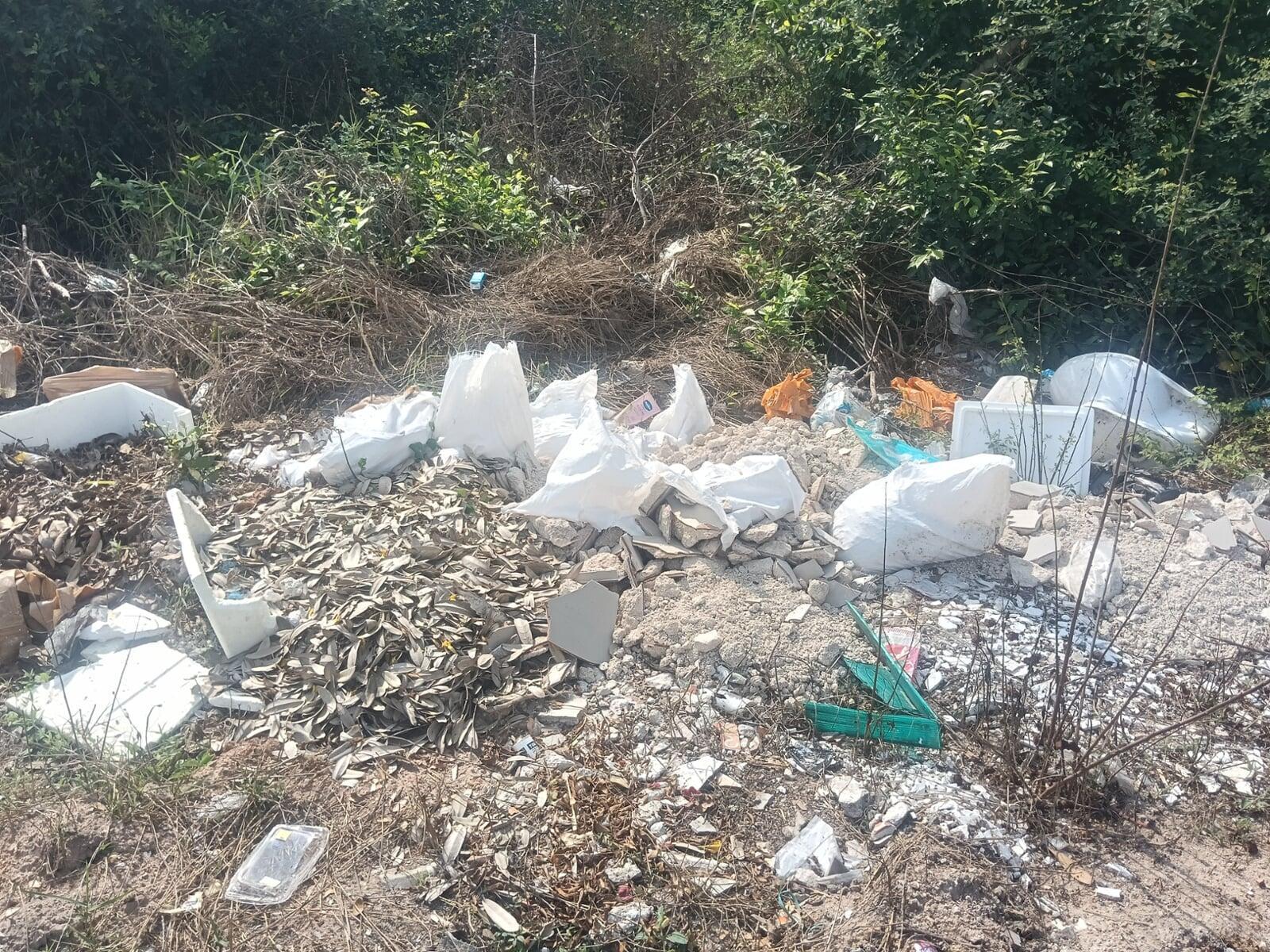
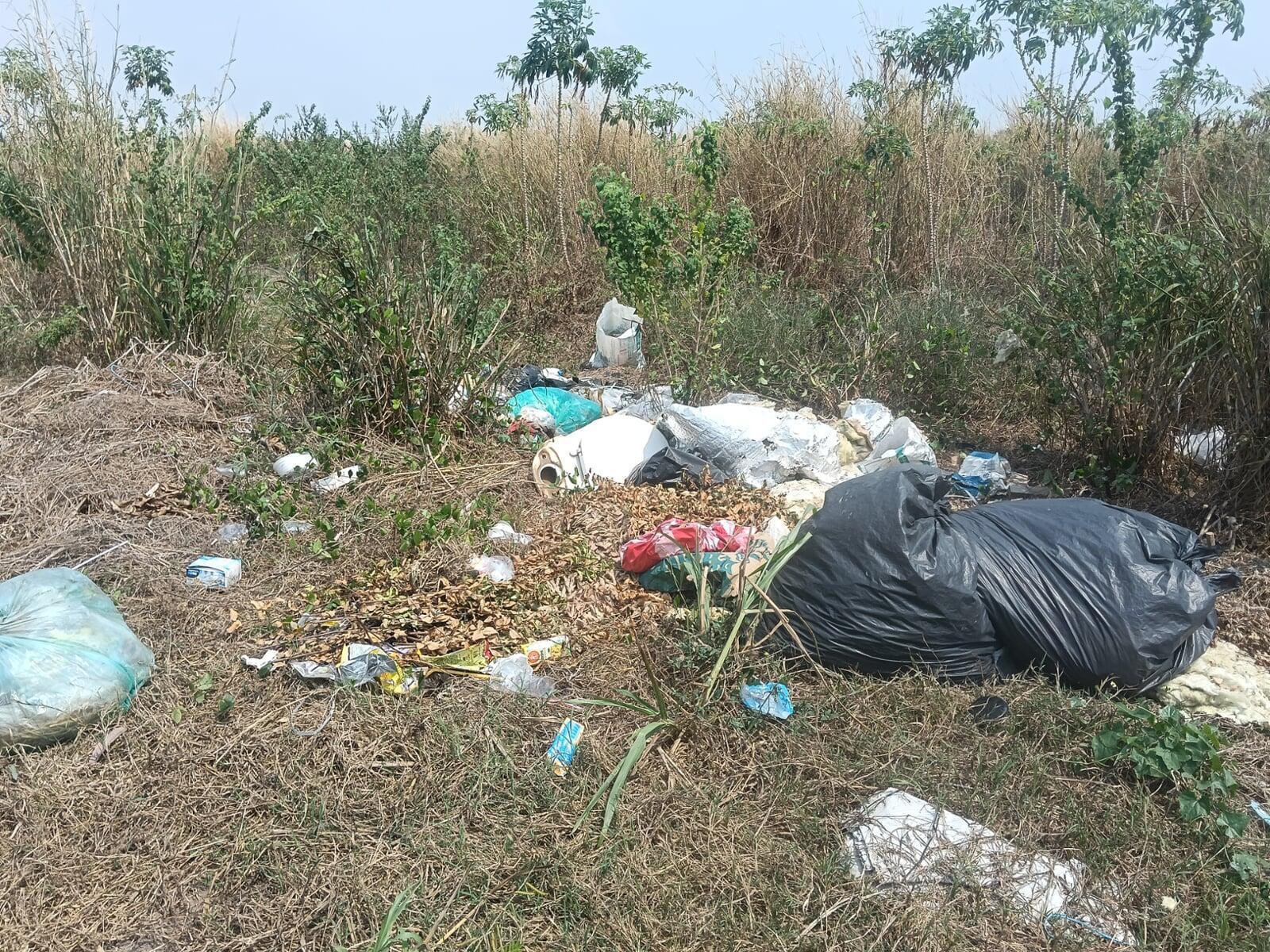
Fly-tipping is the term given to the illegal dumping of liquid or solid waste in land or water, premeditated and usually relating to huge amounts of large and bulky rubbish like furniture, DIY waste, household waste, and electronics or e-waste.
This act is illegal for a reason - the impacts of fly-tipping are devastating.
First, it's the visual pollution and the animal wildlife. Dumping a truck-load of debris and trash is disgusting to look at for as long as it sits there, getting scattered and battered by nature, which is when animals begin to get impacted. All sorts of animals stumble across it, mistaking smaller debris for food and poisoning the food chain as a result. They rummage through it and get ensnared in ropes and fishing lines; they spend the rest of their lives with their beaks or legs tangled in netting or plastic bags.
Then there's the leaching. When people carelessly toss their DIY waste, comprising of things like fire-resistant woolboards, plasterboards and rooftiles, they don't realise the horrendous damage that they are starting, beginning with the two substances: asbestos and gypsum.
Asbestos is a natural-occurring mineral widely used in construction for its heat-resistance, but its non-biodegrading nature poses a significant environmental impact. Asbestos can be found in construction materials like roofing sheets, and when dumped out the back of a truck and mechanically crushed, it just breaks into smaller fibres. And those fibres have water steep through them in the rain, 'leaching' their harmful chemicals into the soil, the rivers, and ultimately the sea, harming plant and animal life terribly. Ingesting or inhaling these tiny asbestos fibres can lead to severe diseases like asbestosis and lung cancer - and when one animal eats it, it affects the entire food chain both of the land animals and the aquatic animals when the water brings the chemicals to the estuaries.
Gypsum is a material commonly used in construction like plasterboard, much like asbestos, but is perhaps even more dangerous. Its chemical reactions with other waste make gypsum a hazard for toxic gas production. When gypsum is dumped alongside biodegradable waste (like food, wood, or paper) in moist, anaerobic (oxygen-poor) conditions, it reacts to produce Hydrogen Sulfide.
This is a very toxic gas that can disgust locals at low concentration - but be fatal for humans and animals at high concentrations.
And not only that, gypsum lowers the pH of the water around it, therefore making heavy metals in its proximity dissolve more easily and increase and intensify the chemicals leaching into the environment.
Plastic isn't some magical solution to our problems - it IS our problem. Throwing a plastic bottle away on the side of the road may not seem like such a bid deal. But then it gets blown and washed, and breaks down to become a million microscopic microplastics floating around in the sea, sitting in your fish and chips, and even being inhaled into you as you breathe.
We only have one planet. We need to save it.
Spot it, doc it, stop it.
Sources:
https://marinedebris.noaa.gov/discover-marine-debris/mystery-how-long-until-it-s-gone
https://ourworldindata.org/plastic-pollution
https://www.unep.org/plastic-pollution
https://www.wwf.org.uk/learn/environment/plastic-pollution
https://marinedebris.noaa.gov/discover-marine-debris/why-marine-debris-problem