Seven Benefits of Ice Baths

Ice Bath Cold Water Therapy

Ice baths, also known as cold-water immersion, can offer several benefits, particularly for muscle recovery, managing soreness and improving your tolerance to cold water. However, some benefits are better supported by scientific evidence than others.

The common thought is ice baths can be useful:

After endurance swimming: An ice bath may help reduce perceived soreness after a particularly demanding session, but there is limited evidence that it improves long-term endurance adaptation.

After strength training: Frequent cold-water immersion immediately after resistance training may reduce muscle growth and strength adaptations. If building muscle is a priority, avoid making immediate post-workout ice baths a routine.
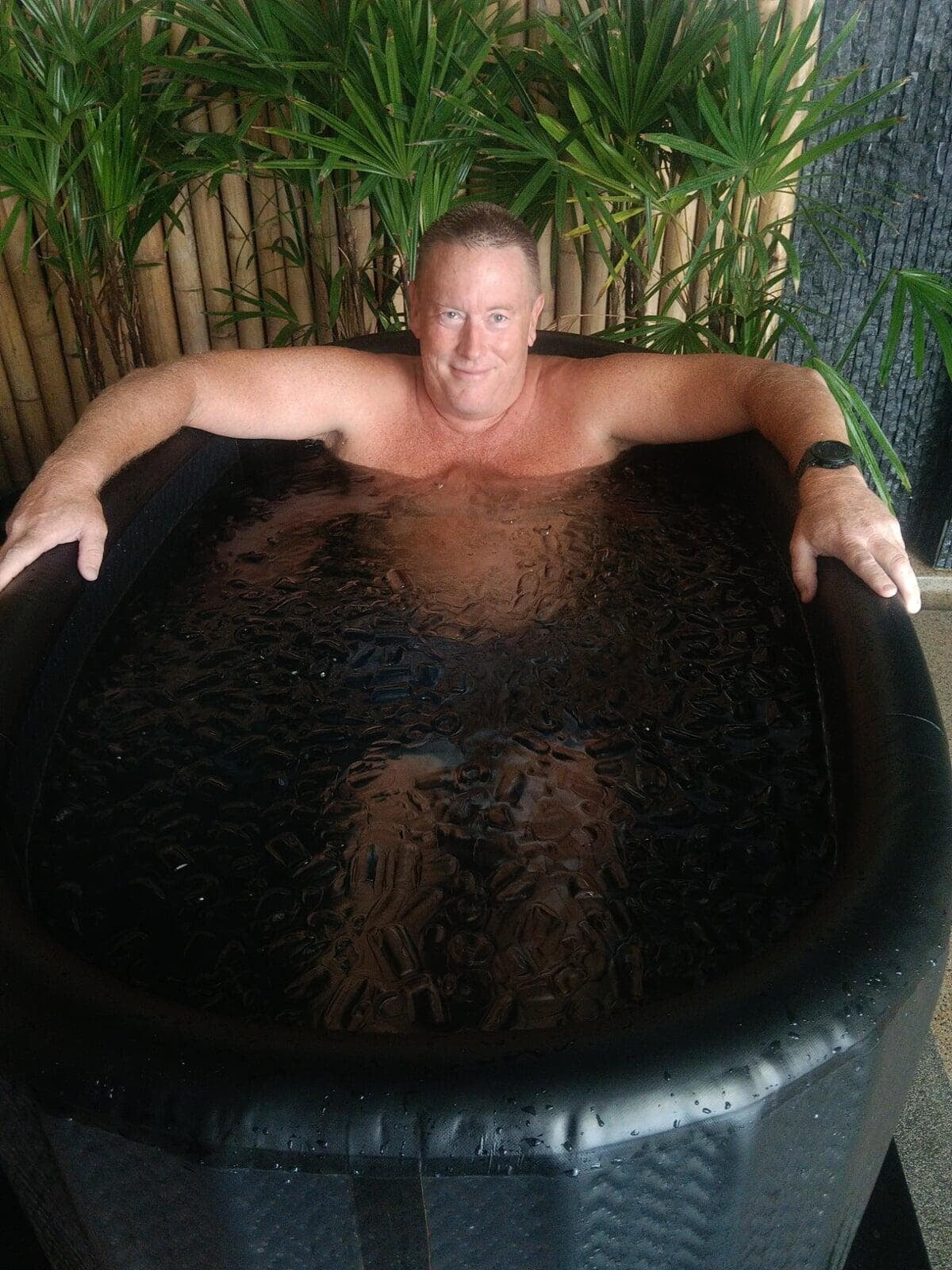
Ice baths can be a useful cold water therapy for sports injuries

Fitness and Injury Recovery Using Ice Baths

1. Faster recovery after intense exercise

Cold-water immersion can reduce muscle soreness for 24–96 hours after hard training, particularly following demanding sessions or competitions.

2. Reduced muscle soreness

Cold temperatures can temporarily reduce pain perception and may limit some swelling. This can make muscles feel less stiff following exercise.

3. Improved mental alertness

Cold exposure activates the sympathetic nervous system, increasing alertness. Many people report feeling refreshed and more energetic afterwards.

4. Improved stress tolerance

Repeated, controlled exposure to cold may help people become more comfortable managing the initial stress response. Evidence that this improves resilience to everyday psychological stress is still limited.

5. Possible improvements in mood

Some people experience improved mood after cold immersion, potentially associated with increased sympathetic nervous system activity. Long-term mental health benefits remain uncertain.

6. Cold-water acclimatisation

Regular cold-water exposure can reduce the initial cold-shock response over time. This can be particularly useful for open-water swimmers, although acclimatisation does not eliminate hypothermia risk.

7. Potential sleep benefits

Some people report better sleep following cold exposure, but research is mixed and there is no established optimal protocol for improving sleep.

Theory and Science Behind Cold Water Therapy
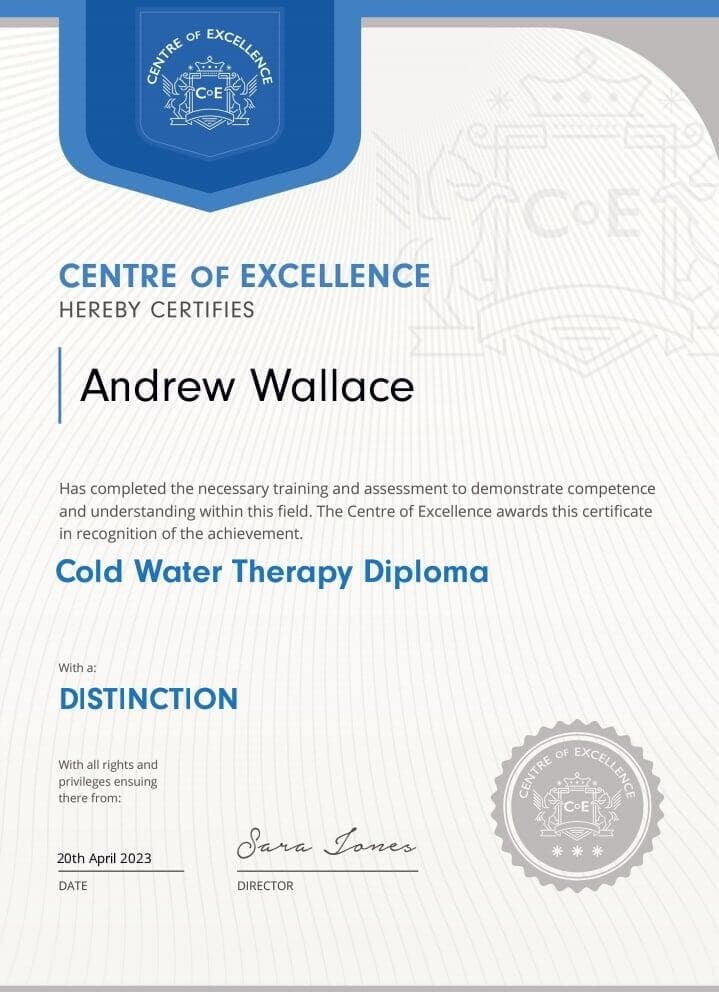
As an avid year-round sea swimmer in Wales I became interested in the concept of cold water therapy many years ago. In my own experience, I would often feel exhilarated and on a 'high' all day after a cold water swim first thing in the morning.  And I am yet to see any swimmers anywhere coming out of a cold water swim with a glum look on their faces!  Indeed, it is usually exactly the opposite: everyone comes out laughing and smiling and saying the same thing - that they feel great all day after. 

I have also met several swimmers who previously suffered from depression and other mental illness but they have since reported they no longer have these issues since they have started cold water swimming on a regular basis.  I have my own theory on this, just my opinion, in addition to the potential physical benefits, when you are immersed in very cold water it is impossible for you to think about anything other than one thing: survival! Not money worries. Not relationship issues. Not bills. Not work problems. After the initial shock the single, overriding thought in your mind is to control your breathing and to bring your breathing back to a regular rhythm and to relax your body and acclimatise to the new cold environment. Personally, I believe this fact alone 'resets' the mind and body and brings us back to 'reality', even if just for a few minutes, but enough for us to ride the wave of the endorphins that are produced and feel better for the rest of the day.

So, I decided to do an online diploma and study more about the science behind potential benefits of cold water therapy. I love human biology and found it very interesting, but at the same time rather disappointing: the conclusion was that much of the 'hype' of cold water therapy is not 100% proven in terms of any real scientific results.
Learning the science behind cold water therapy

But what about the "feeling" that I always get when I swimming cold water? 

What about the fact that the people I go with also get it? 

What about the benefits of going with other people, all of you putting yourselves into extreme environmental conditions with a certain degree of risk, all coming out together, getting through it together? 

Perhaps we do not need charts and numbers and science to know something, perhaps we can simply "feel" something that science can't 'prove'?
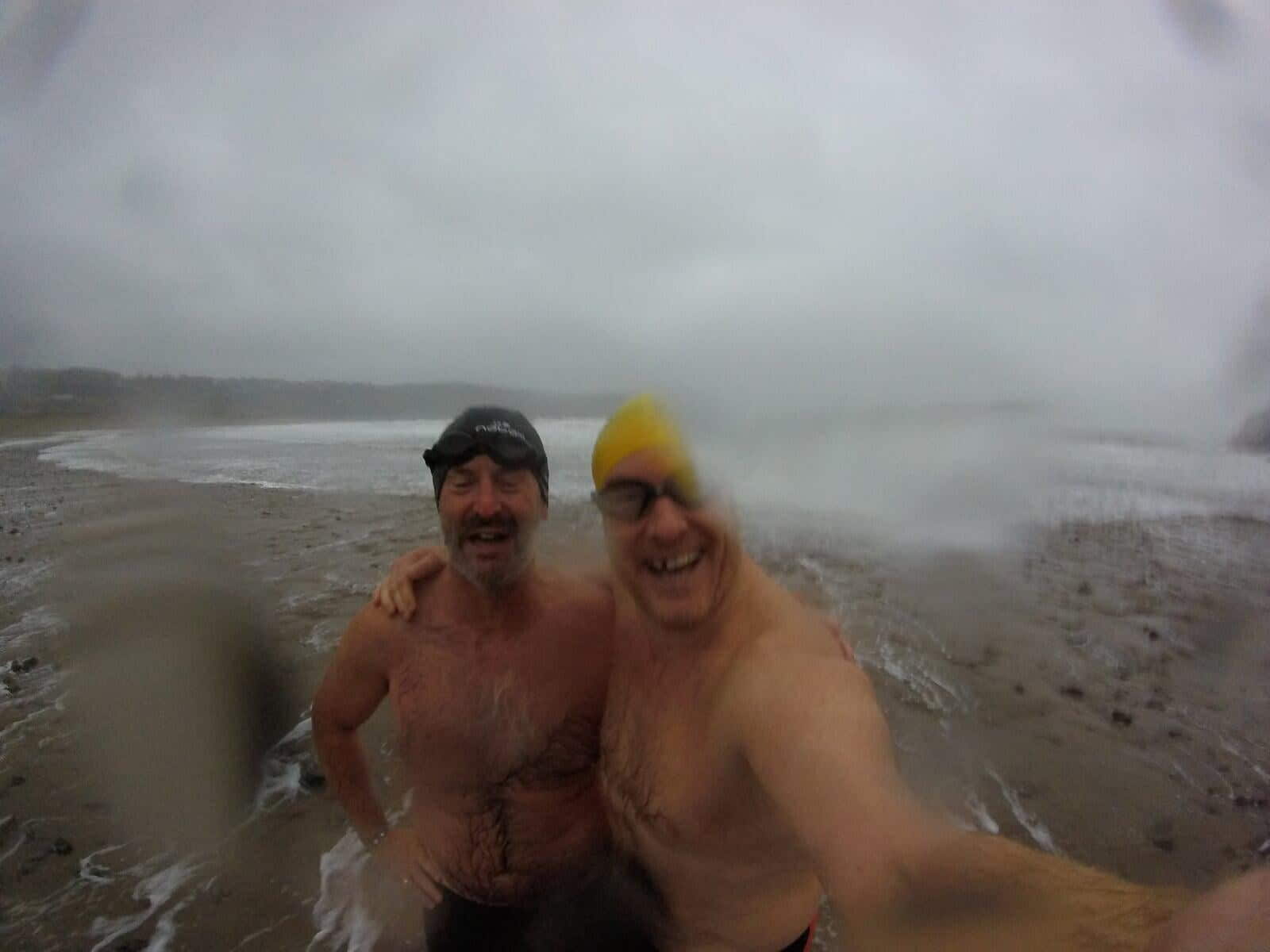
Cold water therapy - get cold - you will feel better for it
The faces say it all... A couple mad swimmers decide to go for a dip on a foul weather day mid winter in Wales!

What Temperatures are Best?

For a healthy adult already comfortable with cold-water exposure, a conservative starting point is:

Experience   | Temperature | Duration
      
Beginner  | 15–18°C  | 30–60 seconds
Intermediate | 12–15°C  | 1–3 minutes

Experienced  | 10–12°C  | 2–5 minutes

These are practical starting ranges, not scientifically established targets. 

Colder and longer are not necessarily better. 

Build up slowly.
Risks and Precautions

Cold immersion can cause rapid breathing, sharp increases in heart rate and blood pressure, dizziness and potentially dangerous heart rhythm disturbances. Avoid it without medical advice if you have cardiovascular disease, uncontrolled high blood pressure or a history of fainting. Never practise breath-holding or immerse your head during an ice bath, and avoid doing it alone.

Conclusion

Cold water therapy is still a much discussed and to some extent disputed topic, but just as you would put a pack of frozen peas on a black eye or a strained muscle as a kid and notice the pain decrease or swelling go down, generally the same concept can be applied for full body immersion into very cold water.

And in my experience with numerous swimmers who have joined me over the years cold water immersion on a regular basis has worked wonders for their mental health and some of them who started off as very quiet and shy individuals suffering from depression and anxiety, are now competing in Ironman events and even swimming the English Channel.

Conclusion: something works!